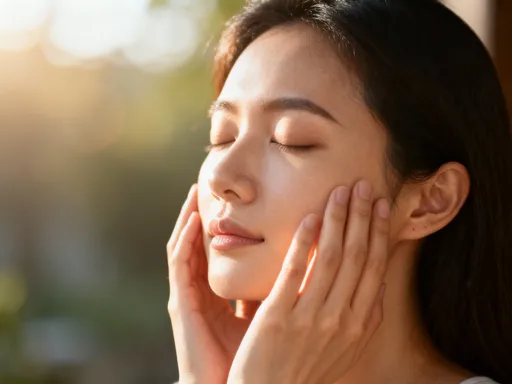
Glow From Within: How Balanced Minds Create Radiant Skin
Ever noticed how stress shows up on your face before anywhere else? Breakouts, dullness, that tired look no moisturizer could fix—these are not just skin-deep issues. They often reflect what’s happening beneath the surface. Science now confirms what many have sensed for years: the mind and skin are deeply connected. Emotional imbalance can disrupt hormonal harmony, trigger inflammation, and weaken the skin’s natural barrier. This isn’t about perfection or quick fixes—it’s about understanding that true radiance begins with psychological well-being. When we care for our minds, we give our skin the foundation it needs to thrive.
The Skin-Mind Connection: More Than Just Stress
The relationship between mental health and skin condition is not imaginary—it’s biological. The skin and the brain develop from the same embryonic tissue and remain in constant communication throughout life. This connection forms the basis of a growing medical field known as psychodermatology, which studies how emotions influence skin health. When a person experiences prolonged stress, anxiety, or emotional strain, the body releases cortisol, the primary stress hormone. Elevated cortisol levels increase oil production in the sebaceous glands, which can clog pores and lead to acne breakouts. At the same time, chronic stress weakens the skin’s protective barrier, making it more vulnerable to irritants, allergens, and environmental damage.
Inflammation is another key player in the mind-skin dynamic. Psychological distress activates the body’s inflammatory response, which can worsen conditions like eczema, psoriasis, and rosacea. For example, studies have shown that individuals with high stress levels are more likely to experience flare-ups of these chronic skin disorders. Even signs of premature aging—such as fine lines, loss of elasticity, and uneven skin tone—are accelerated by oxidative stress caused by emotional turmoil. The body treats psychological strain much like a physical threat, triggering defense mechanisms that, over time, take a toll on appearance.
Recognizing this link shifts the perspective on skincare from a purely external routine to a holistic practice. It’s not enough to apply serums and creams if the internal environment remains unbalanced. Supporting mental well-being becomes an essential part of any effective skincare strategy. Practices that calm the nervous system—such as mindfulness, deep breathing, and emotional regulation—can directly reduce cortisol and inflammation, creating favorable conditions for healthy skin. This doesn’t mean eliminating all stress, which is neither possible nor desirable, but rather building resilience so the body and skin can recover more efficiently.
Moreover, the skin-mind connection works both ways. Just as emotional distress can harm the skin, improving skin health can boost self-esteem and emotional stability. People with clearer, healthier skin often report feeling more confident and socially engaged. This creates a positive feedback loop: when you feel better emotionally, your skin improves, and when your skin improves, you feel better. Understanding this bidirectional relationship empowers individuals to take a more integrated approach to their well-being, where mental care and skincare are seen as complementary, not separate, goals.
Recognizing the Signs: When Your Skin Is Screaming for Help
Skin often acts as a mirror, reflecting emotional states long before words are spoken. A sudden breakout before a major presentation, dry patches appearing during a period of grief, or persistent redness linked to ongoing worry—these are not coincidences. They are signals from the body, indicating that psychological balance may be off. For many, especially women in midlife managing family, work, and personal responsibilities, these signs can be easy to overlook or dismiss as aging or poor hygiene. But learning to read the skin’s language is the first step toward meaningful change.
One of the most common manifestations of emotional imbalance is acne flare-ups during times of stress. This occurs because cortisol stimulates the sebaceous glands to produce more sebum, which combines with dead skin cells to clog pores. Women may notice breakouts around the jawline or chin—areas particularly sensitive to hormonal fluctuations tied to stress. Similarly, eczema and psoriasis often worsen during emotional upheaval. The itching, scaling, and discomfort associated with these conditions can create additional distress, forming a cycle that’s difficult to break without addressing the underlying emotional triggers.
Dullness and uneven texture are subtler but equally telling signs. When the mind is overwhelmed, the body prioritizes survival over beauty. Blood flow is redirected away from the skin to essential organs, reducing oxygen and nutrient delivery. This leads to a lackluster complexion, dark under-eye circles, and a sallow tone. Facial tension is another physical clue—many people unconsciously clench their jaws or furrow their brows when stressed, leading to fine lines and a tired appearance. Over time, these micro-expressions can become permanent without intervention.
Recognizing these patterns requires mindfulness. It means pausing to ask: When did this change begin? or What was happening in my life when my skin started reacting? Journaling can be a helpful tool, allowing individuals to track emotional states alongside skin changes. Over time, patterns emerge—perhaps breakouts follow sleepless nights, or dryness coincides with periods of loneliness. This awareness doesn’t assign blame but fosters compassion. It shifts the narrative from “my skin is failing me” to “my body is communicating with me,” opening the door to more effective, empathetic care.
The Morning Reset: Starting Your Day with Intention
How you begin your day sets the tone for your mental state and, by extension, your skin’s health. A rushed morning filled with multitasking, screen checking, and stress can elevate cortisol before breakfast. In contrast, a calm, intentional start supports hormonal balance and reduces systemic inflammation. The morning reset is not about adding more to an already full schedule—it’s about dedicating just ten minutes to practices that anchor the mind and prepare the body for the day ahead. This small investment can have a ripple effect, improving focus, emotional regulation, and even skin clarity over time.
The first step is mindful breathing. Sitting comfortably, eyes closed, one can take slow, deep breaths—inhaling through the nose for a count of four, holding for four, and exhaling for six. This simple act activates the parasympathetic nervous system, signaling the body to relax. Within minutes, heart rate slows, blood pressure stabilizes, and cortisol begins to decrease. This physiological shift creates an internal environment where skin cells can function optimally. Practicing this for five minutes each morning builds resilience against daily stressors and supports a more even complexion.
Next, light stretching helps release physical tension that often accumulates overnight. Gentle neck rolls, shoulder shrugs, and forward bends improve circulation and prevent the buildup of facial tension. When muscles are relaxed, blood flow to the face increases, delivering oxygen and nutrients essential for skin repair. Stretching also enhances lymphatic drainage, reducing puffiness and promoting a refreshed appearance. Importantly, these movements should be slow and deliberate, not rushed or forced, allowing the mind to stay present and connected to the body.
The final component is positive visualization. Taking two minutes to imagine a calm, successful day—seeing oneself speaking confidently, moving with ease, feeling at peace—can significantly influence mood and mindset. The brain does not always distinguish between real and imagined experiences, so this practice can reduce anxiety and boost confidence. Over time, consistent visualization rewires neural pathways associated with stress, making it easier to remain composed under pressure. When the mind feels safe and supported, the skin reflects that inner calm with a more radiant, balanced glow.
Skincare as Self-Care: Turning Routines into Rituals
Skincare routines are often treated as mechanical tasks—something to rush through before work or after a long day. But when approached with mindfulness, these daily acts become powerful moments of self-care. The simple process of cleansing, toning, and moisturizing can be transformed into a meditative practice that nurtures both mind and skin. This shift in perspective turns skincare from a chore into a ritual—a dedicated time to pause, reconnect, and offer kindness to oneself. In doing so, the benefits extend beyond surface-level improvements to include reduced stress and enhanced emotional well-being.
To begin, slowing down is essential. Instead of scrubbing or rushing through steps, one can apply products with gentle, circular motions, paying attention to the texture of the cream, the temperature of the fingers, and the sensation on the skin. This sensory awareness grounds the mind in the present moment, interrupting cycles of rumination or worry. Noticing the subtle changes in the skin—where it feels tight, where it’s soft, where it needs extra care—fosters a deeper relationship with the body. This kind of attention is itself healing, communicating to the subconscious that one is worthy of care and attention.
Connecting with the breath during skincare enhances this effect. Inhaling as you apply serum, exhaling as you press it into the skin, creates a natural rhythm that calms the nervous system. This breath-skin connection reinforces the idea that outer care is inseparable from inner state. Using high-quality, non-irritating products supports this experience, as harsh chemicals or fragrances can trigger both skin and emotional reactivity. Opting for gentle, plant-based formulas with soothing ingredients like aloe, chamomile, or oat extract not only benefits the skin barrier but also creates a more pleasant, calming sensory experience.
Over time, these mindful moments accumulate. Just as daily stress wears down the skin, daily care rebuilds it—layer by layer, moment by moment. Women who practice skincare as ritual often report not only improved texture and tone but also a greater sense of control and emotional stability. This is not magic; it’s physiology. When the mind is calm, the body responds with reduced inflammation, better circulation, and more efficient cell turnover—all of which contribute to a healthier, more luminous complexion. The ritual becomes a form of daily renewal, a promise to show up for oneself with patience and compassion.
Food, Mood, and Complexion: The Inner Foundation
No discussion of radiant skin is complete without addressing nutrition. What we eat directly influences both emotional stability and skin health. The gut-brain-skin axis is a well-documented pathway through which diet impacts mood and appearance. A diet rich in whole foods—particularly those high in omega-3 fatty acids, antioxidants, and fiber—supports neurotransmitter production, reduces inflammation, and strengthens the skin’s barrier function. These benefits are not immediate, but over time, consistent nourishment leads to lasting improvements in both mental clarity and complexion.
Omega-3 fatty acids, found in fatty fish like salmon, flaxseeds, and walnuts, are crucial for maintaining cell membrane integrity. In the brain, they support the production of serotonin and dopamine, neurotransmitters that regulate mood. In the skin, they help retain moisture, reduce redness, and prevent premature aging. Studies have shown that individuals with higher omega-3 intake report lower levels of anxiety and fewer inflammatory skin conditions. Incorporating these foods into meals a few times a week can make a noticeable difference without requiring drastic dietary changes.
Antioxidants, abundant in colorful fruits and vegetables, protect both brain and skin from oxidative stress. Blueberries, spinach, bell peppers, and sweet potatoes are rich in vitamins C and E, which neutralize free radicals caused by pollution, UV exposure, and emotional strain. Vitamin C also plays a direct role in collagen synthesis, supporting firmness and elasticity. Eating a variety of plant-based foods ensures a broad spectrum of protective compounds, enhancing resilience from within. There’s no need for expensive supplements—whole foods provide these nutrients in their most bioavailable forms.
Gut health is another critical factor. A balanced gut microbiome influences mood through the production of short-chain fatty acids and neurotransmitters like GABA, which promote relaxation. It also affects skin clarity, as imbalances in gut bacteria have been linked to acne and rosacea. Fermented foods like yogurt, kefir, sauerkraut, and kimchi introduce beneficial probiotics, while fiber-rich foods like oats, beans, and apples feed the good bacteria. Hydration is equally important—drinking adequate water supports digestion, detoxification, and skin plumpness. Together, these dietary choices form a strong inner foundation, where emotional balance and radiant skin grow from the same source.
Movement That Soothes: Exercise for Calm Skin and a Calmer Mind
Physical activity is often praised for its cardiovascular and weight management benefits, but its impact on mental and skin health is equally significant. Regular movement helps regulate mood by increasing endorphin and serotonin levels, natural chemicals that reduce anxiety and improve emotional resilience. At the same time, exercise boosts circulation, delivering oxygen and nutrients to skin cells while aiding in the removal of metabolic waste. This dual effect supports both a calmer mind and a clearer, more vibrant complexion. The key, however, is not intensity but consistency and enjoyment.
Low-impact activities like walking, yoga, and gentle dance are particularly effective for promoting psychological balance without overtaxing the body. A daily 30-minute walk in nature, for example, combines physical movement with exposure to fresh air and greenery—both of which have been shown to reduce cortisol and improve mood. Yoga, with its emphasis on breath and mindful movement, helps release stored tension, especially in the face and neck. Poses like child’s pose, cat-cow, and forward folds activate the parasympathetic nervous system, promoting relaxation and reducing inflammation. Even dancing at home to favorite music can lift spirits and stimulate lymphatic flow, reducing facial puffiness.
The goal is not to achieve a certain body shape or burn a specific number of calories, but to move in ways that feel good. When exercise is approached as a form of self-care rather than punishment, it becomes sustainable. Women who engage in regular, enjoyable movement often report better sleep, improved digestion, and a more even skin tone. These benefits stem from reduced systemic inflammation and more stable hormone levels. Over time, the skin reflects the inner state—glowing not from effort, but from harmony.
It’s also important to listen to the body’s signals. On days when energy is low, a gentle stretch or restorative yoga session may be more beneficial than a vigorous workout. Pushing too hard can increase cortisol and oxidative stress, counteracting the intended benefits. The aim is balance—movement that supports, not depletes. When physical activity is aligned with emotional needs, it becomes a powerful tool for cultivating both mental peace and radiant skin.
Sleep, Recovery, and the Nightly Reset
Sleep is the body’s most powerful reset button. During deep sleep, the brain clears out metabolic waste, consolidates memories, and restores emotional balance. Simultaneously, the skin enters a state of intense repair—increasing collagen production, restoring moisture barriers, and reducing inflammation. This nightly renewal process is essential for maintaining both mental clarity and a healthy complexion. Yet, for many women, especially those juggling multiple roles, quality sleep is often compromised. Addressing sleep hygiene is not a luxury; it’s a necessity for long-term well-being.
One of the most effective ways to improve sleep is establishing a consistent bedtime routine. This begins with a screen curfew—turning off phones, tablets, and televisions at least one hour before bed. The blue light emitted by screens suppresses melatonin, the hormone that regulates sleep-wake cycles, making it harder to fall asleep. Instead, engaging in calming activities like reading a book, sipping herbal tea, or practicing gentle stretching signals to the body that it’s time to wind down. Creating a sleep-conducive environment also helps—keeping the bedroom cool, dark, and quiet enhances sleep quality.
The bedtime skincare routine can also serve as a transitional ritual. Taking the time to remove makeup, cleanse the skin, and apply moisturizer slows the mind and prepares the body for rest. This isn’t about perfection—it’s about intention. The act of caring for the skin at night reinforces self-worth and signals safety to the nervous system. Using products with calming ingredients like lavender, magnesium, or niacinamide can further support relaxation and skin repair.
When sleep is prioritized, the effects are visible. Dark circles fade, puffiness decreases, and the skin regains its natural glow. Emotionally, well-rested individuals are better equipped to handle stress, maintain patience, and engage positively with others. This creates a virtuous cycle: better sleep leads to better mood, which leads to better skin, which supports better self-image and confidence. The nightly reset is not just about recovery—it’s about laying the foundation for the next day’s radiance.
Putting It All Together: A Sustainable Path to Radiance
True beauty is not found in a single product or quick fix. It emerges from the consistent, everyday choices that honor both mind and body. The path to radiant skin is not linear—it’s a dynamic balance of emotional care, nourishing habits, and mindful routines. Each element discussed—understanding the skin-mind connection, recognizing emotional signals, starting the day with intention, transforming skincare into ritual, eating for inner strength, moving with purpose, and prioritizing sleep—contributes to a holistic approach that supports lasting well-being.
What makes this approach sustainable is its emphasis on small, manageable changes. It doesn’t require overhauling one’s entire life, but rather integrating gentle, compassionate practices into existing routines. A few minutes of breathing in the morning, a walk after dinner, a mindful moment during skincare—these acts accumulate, creating profound shifts over time. The goal is not perfection, but presence. When women learn to listen to their bodies and respond with kindness, they cultivate a deeper sense of self-awareness that becomes the true foundation of beauty.
Over time, the results become visible not just on the skin, but in the way one carries oneself—with more confidence, calm, and authenticity. The glow that comes from within is not about hiding flaws, but about embracing wholeness. It’s a reflection of inner harmony, where emotional balance and skin health grow from the same root. This is the essence of radiant living—nurturing the mind, honoring the body, and recognizing that the most powerful skincare routine begins long before the first product is applied.