From Paper Chaos to Peace of Mind: How Scanning Quietly Protects Your Family’s Memories
Imagine this: a shoebox under your bed stuffed with yellowing photos, old report cards, your child’s first drawing, and that handwritten recipe from your grandmother. One spilled glass of water, one misplaced match, and decades of memories vanish. We’ve all been there—cluttered drawers, fading ink, the nagging fear of losing what matters most. But what if the most meaningful moments of your life didn’t have to live in fragile paper form? What if they could be safe, searchable, and just a tap away—without feeling cold or technical? That’s not magic. It’s smarter scanning. And it’s not just about going paperless. It’s about peace of mind.
The Hidden Heirlooms in Your Junk Drawer
You know that drawer—the one you open and instantly feel a little guilty. The one where birthday cards get shoved behind expired coupons, where your child’s crayon masterpiece from preschool shares space with an old insurance form and three takeout menus. We call it clutter, but what if I told you it’s actually a treasure chest? Inside are pieces of your story: your daughter’s first spelling test with the teacher’s encouraging note in red pen, your son’s hospital ID bracelet, the note your mom slipped into your lunchbox when you were ten—“Have a beautiful day.” These aren’t just scraps of paper. They’re emotional landmarks. They mark love, growth, loss, and joy.
And yet, we treat them like junk. We tuck them into boxes that sit in basements prone to damp, or attics that bake in summer heat. We assume they’ll always be there—until they’re not. Fire, flood, mold, even a curious pet can erase decades in minutes. I remember talking to a friend who lost her grandmother’s wartime letters in a house fire. She didn’t lose just paper—she lost a voice, a history, a connection. The worst part? She had no digital copies. It wasn’t for lack of love. It was because she didn’t know where to start. We protect our phones with passwords, two-factor authentication, cloud backups—but leave our most precious memories in cardboard boxes with no safeguards at all. Doesn’t that feel backwards?
Here’s the truth: paper is temporary. It fades, tears, stains, and disintegrates. But the feelings it holds? Those are meant to last. And that’s where technology steps in—not to replace the warmth of a handwritten note, but to preserve it. Scanning isn’t about abandoning tradition. It’s about honoring it by making sure it survives. Think of it like this: if you had a priceless painting, would you leave it leaning against a wall in a damp garage? Of course not. You’d frame it, protect it, maybe even insure it. Your memories deserve the same care. The good news? You don’t need a museum-quality setup. You just need the device in your pocket and the willingness to begin.
When Scanning Becomes an Act of Care
Let’s be honest—when most of us hear “digitize your documents,” we picture a tech-savvy person hunched over a scanner, adjusting settings, renaming files, organizing folders with military precision. That image is intimidating. But what if I told you that scanning can be one of the most tender things you do for your family? It’s not data entry. It’s an act of love. Think about it: when you sit down to scan your child’s first drawing, you’re not just capturing an image. You’re pausing. You’re remembering the day they came home, so proud, holding it up like a trophy. You’re hearing their voice say, “It’s you, Mommy!”
That moment—when you tap the screen to save it—is sacred. It’s like tucking that memory into a safety vault, whispering, “I see you. You matter.” One mother I spoke with started scanning her kids’ school art every Friday night. She calls it her “quiet ritual.” No rush, no pressure. Just her, a cup of tea, and the photos app on her phone. She doesn’t do it all at once. Sometimes she only scans one or two pieces. But over time, she’s built a digital scrapbook that’s easy to search, share, and enjoy. And when her daughter asked to see her kindergarten self-portrait last month, she pulled it up in seconds—no digging, no dust, no disappointment.
This isn’t about perfection. It’s about presence. You don’t need to scan every paper in your house by next weekend. You don’t need fancy software or a degree in IT. You just need to care enough to start. And in that care, something beautiful happens: you reconnect with your past while protecting your future. Scanning becomes a way of saying, “This moment mattered. I want my children to know you.” It’s not cold or technical. It’s deeply human. It’s memory-keeping with intention. And the best part? Anyone can do it. Whether you’re 30 or 70, whether you’re tech-shy or tech-comfortable, you can honor your family’s story—one gentle tap at a time.
How Modern Scanning Works Without the Stress
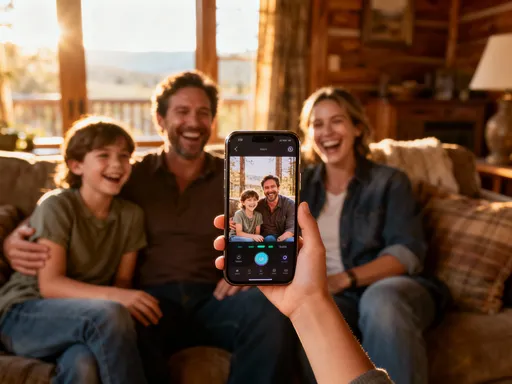
Now, I know what you might be thinking: “But I don’t have a scanner. I don’t even know how to use one.” Sweetheart, you don’t need one. Your smartphone is already a powerful scanning tool. In fact, it’s probably better than most standalone scanners from just a few years ago. Most phones today come with a built-in document scanner in the Notes or Photos app. If yours doesn’t, a free app like Adobe Scan or Google Drive’s scanner works beautifully. No cost. No setup. Just open, point, and tap.
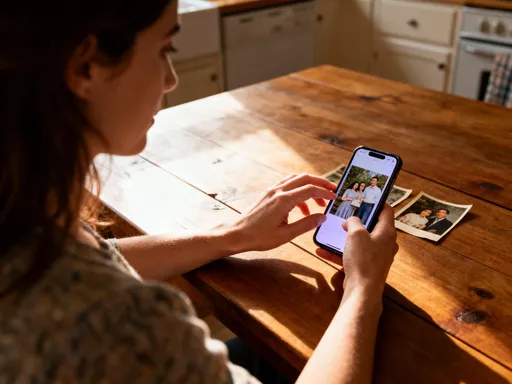
Here’s how easy it is: find a quiet spot with good natural light—your kitchen table by the window works perfectly. Lay the paper flat. Hold your phone above it, and the app automatically detects the edges. It straightens the image, enhances the contrast, and saves it as a clear PDF or image file. No shadows. No glare. No fuss. One mom I know does this while her kids snack after school. She scans their latest artwork, spelling tests, and even the funny notes they pass each other. She saves each file with a simple name: “Emma’s Heart Drawing,” “Liam’s Spelling Test – April 3,” “Note from Emma to Liam: You are my best friend.” Later, she can search by name or date and find exactly what she’s looking for.
You don’t need perfect conditions. A little wrinkle? That’s okay. Faded ink? The app can often boost it. Even if the paper is slightly torn, the content is still preserved. And once it’s saved, you can back it up to a secure cloud service or keep it on your device. The point is, you’re not waiting for the “right time” or the “perfect system.” You’re doing it now, in real life, with what you have. That’s the beauty of modern tech—it’s designed to fit into your world, not the other way around. You’re not becoming a digital archivist. You’re just being a loving parent, a thoughtful daughter, a keeper of stories. And your phone? It’s just helping you do it a little easier.
The Silent Guardian: Privacy in Your Pocket
I get it—when something is digital, it can feel less safe. We hear stories about data breaches, hacked accounts, and photos leaked online. So of course, the idea of putting your family’s most private moments into the digital world can feel risky. But here’s what most people don’t realize: digital can be *more* secure than paper—if you know how to protect it. Think of it like this: a locked diary is safer than a notebook left open on your nightstand. Digital files can be that locked diary, with a password only you know.
Most cloud storage services—like iCloud, Google Drive, or Dropbox—use encryption. That means your files are scrambled into unreadable code when they’re stored or transferred. Only someone with the right key (your password, often protected by two-factor authentication) can unlock them. It’s like sending a letter in a sealed, tamper-proof envelope. And unlike paper, which can be lost, stolen, or accidentally thrown away, digital files can be backed up in multiple places. So even if your phone is lost, your memories aren’t gone.
But here’s the real power: control. With digital files, you decide who sees what. Imagine you’ve scanned your grandmother’s handwritten pie recipe. You can keep it private, share it with just your sister, or send it to your niece with a voice note saying, “This is Nana’s secret apple pie—she taught me how to make it when I was your age.” You can set expiration dates on links, so the file disappears after a week if you want. You can revoke access anytime. That’s something paper can’t do. You can’t un-send a photo album. But with digital, you’re in charge. Your memories stay yours—unless and until you choose to share them.
More Than Storage: Making Memories Alive Again
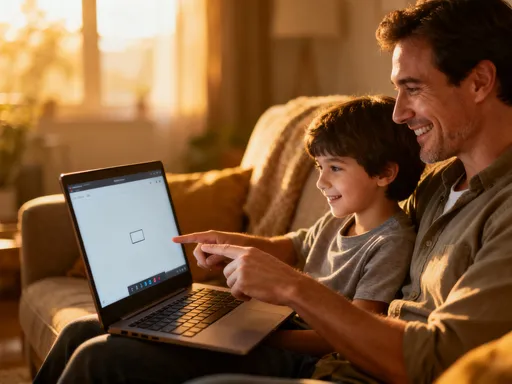
Here’s the magic most people don’t expect: once your memories are digital, they stop being static. They become alive again. Think about that old photo of your parents on their wedding day—faded, tucked in a drawer, rarely seen. Now imagine opening it on a tablet and showing it to your teenage son. “That’s your grandpa,” you say. “He was so nervous, he dropped the ring.” The image sparks a conversation. It becomes part of your family’s living story.
One woman I spoke with scanned her father’s old military letters and saved them in a folder on her iPad. Every Veterans Day, she reads one aloud to her kids. It’s become a tradition. Her children never met their grandfather, but through those words, they feel connected to him. Another mom restored a blurry photo of her daughter’s first steps using a simple photo-editing app, then printed it and framed it for her birthday. “She cried,” the mom said. “She said, ‘I didn’t know I looked like that!’”
Digital doesn’t mean distant. It means accessible. It means shareable. It means your child can watch a video of their first words while sitting on your lap, even if the original tape is decades old and unplayable. It means you can email a scanned childhood drawing to a relative in another country and hear back, “I remember when she made that!” These moments aren’t locked away. They’re ready to be relived, retold, and re-loved. And the best part? You don’t need special skills to make this happen. You just need to take that first scan. After that, the memories do the rest.
Building a Legacy, One Page at a Time
Let’s talk about the long game. Because what you’re really doing when you scan these papers isn’t just organizing. You’re building a legacy. You’re creating something your children—and one day, your grandchildren—will treasure. Imagine your daughter, 30 years from now, tapping open a folder on her tablet labeled “Mom, Age 5.” Inside, she finds scanned drawings, school reports, birthday cards, and a note you wrote to her teacher: “She loves dinosaurs and cries when she can’t tie her shoes.” She laughs. She cries. She feels close to you, even if you’re not there.
That’s the power of preservation. And the beautiful thing is, you don’t have to do it all at once. Legacy isn’t built in a day. It’s built in moments. One ticket stub from a family movie night. One report card with a teacher’s sweet comment. One recipe card with flour stains. Each scan is a brick in a foundation. Over time, it becomes unshakable. You don’t need to be perfect. You don’t need to scan everything. You just need to be consistent. Make it a habit—like brushing your teeth or charging your phone. Every few days, pick one item. Scan it. Save it. Name it with love.
And when you do, you’re not just saving paper. You’re saying, “You mattered. You were seen. You were loved.” That’s a gift no money can buy. It’s a gift of time, of memory, of heart. And it’s one of the most meaningful things you can leave behind. In a world that moves so fast, where moments blur into years, this is your way of saying, “Wait. This was important.” And it is.
Your Turn: Start Small, Keep It Close
So where do you begin? Right here. Right now. You don’t need a plan. You don’t need permission. Just pick one thing. One memory. It could be your child’s latest drawing, a birthday card from your mom, or that recipe you’ve been meaning to save. Take it to a sunny spot. Open your phone’s scanner. Tap. Save. Name the file something that means something to you—“Daddy’s Handwriting,” “My First Home,” “The Day We Adopted Luna.”
That’s it. You’ve just done something powerful. You’ve protected a piece of your story. You’ve given it a future. And the best part? You can do it again tomorrow. And the day after. No pressure. No deadlines. Just love, preserved. Because technology isn’t here to replace the way we feel. It’s here to help us hold on. To keep the people we love close, even across time. So go ahead. Pick one. Scan it. And know that in that small act, you’ve already made a difference. The best time to start was years ago. The second-best time? Right after this sentence.