It’s not just about security: How home monitoring gave me real peace of mind
You know that little nagging worry—did I lock the door? Is the stove off? Is everything okay at home while I’m away? I used to check the app three times before leaving the house. Then I got a home monitoring system, and it didn’t just show me what was happening—it changed how I *felt* about being away. No more anxiety loops, no more second-guessing. Just quiet confidence. That’s the part no one talks about: it’s not really about catching intruders. It’s about feeling present, connected, and calm—no matter where you are.
The Worry We Didn’t Know We Could Let Go Of
Remember that moment when you're halfway to work and suddenly freeze—did you lock the back door? Or when you're dropping the kids at camp and a voice in your head whispers, “Did I turn off the oven?” That low hum of worry used to follow me like a shadow. It wasn’t panic, not exactly. It was more like background noise—constant, subtle, and exhausting. I’d spend ten minutes retracing my steps in my head, sometimes even turning the car around. And honestly, it didn’t just drain time. It drained peace.
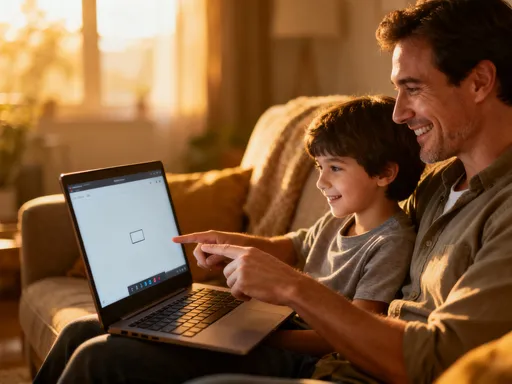
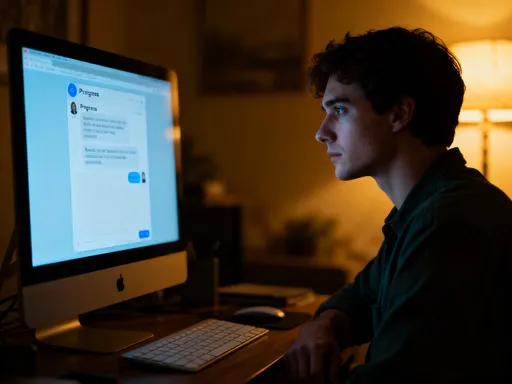
Then I installed a simple home monitoring system. No flashing lights, no complicated wiring—just a few smart cameras and sensors. The first time I opened the app from my desk and saw my kitchen, empty and quiet, the stove cold and the back door locked, something shifted. It wasn’t just about seeing—it was about *knowing*. That visual confirmation cut through the mental fog like sunlight. I didn’t have to wonder anymore. I could *see*.
Now, when I leave for a weekend trip, I don’t circle the driveway three times. I open the app, glance at the living room, check the garage door sensor, and go. That little ritual takes ten seconds, but it gives me hours of mental freedom. I used to carry the weight of my home with me everywhere. Now, I can set it down. And honestly? That’s been one of the most liberating changes in my daily life. It’s not that I stopped caring—I just stopped torturing myself with uncertainty.
More Than Cameras: The Little Features That Actually Help
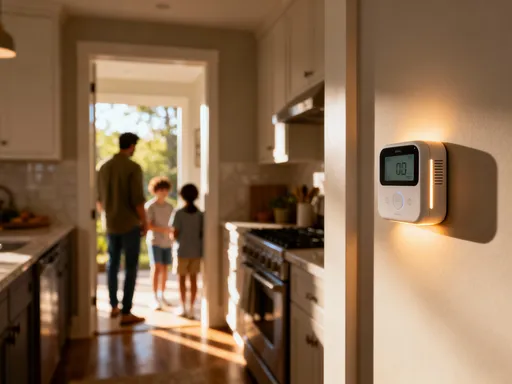
When I first looked into home monitoring, I thought it was all about video—catching package thieves or spotting strangers on the porch. But what surprised me most were the quiet, behind-the-scenes features that made the biggest difference. Like the temperature sensor in the basement. Last winter, we had a power outage during a storm. I was at my sister’s house, thinking we’d just wait it out. Then my system sent an alert: basement temperature dropping fast. I called a neighbor, who checked—the furnace had shut off, and pipes were at risk. We avoided a disaster because of a $20 sensor.
Or take the doorbell camera’s package detection. I don’t just get a notification when someone rings the bell—I get one when a box is left at the door. That means I can text my daughter to grab it before it rains, or let my husband know dinner’s been delivered. It sounds small, but how many times have you come home to a soaked box or a missing order? This tiny feature saves real stress.
Another game-changer? Motion patterns. I have an aging parent who lives alone, and while she insists she’s fine, I worry. With her permission, we set up a gentle motion sensor in the kitchen. It doesn’t record video—just logs activity. If she’s not up by 9 a.m., I get a quiet alert. It’s not about surveillance. It’s about care. And when I see the little blip on the timeline every morning, I can breathe. She’s moving. She’s okay.
And let’s not forget the garage door sensor. How many times have you lain in bed wondering, “Did I close it?” Now, if it’s open past midnight, I get a notification. Once, I was at a school play, and my phone buzzed. Sure enough, the garage was wide open. I closed it from my seat—no drama, no driving back. These aren’t flashy features. But they’re the ones that weave into your life and quietly prevent problems before they happen.
How It Changed Family Routines—Without Anyone Noticing
The best technology doesn’t announce itself. It just becomes part of the rhythm of your home. That’s what happened with our monitoring system. My kids didn’t have a big sit-down talk about it. They just started coming home from school, dropping their bags, and yelling, “Hi, Mom!” to the camera in the living room. It became normal. And honestly? I love it.
Before, I’d call or text the moment school let out, anxious they’d forgotten their key or gotten locked out. Now, I just check the app. Seeing them walk in, backpacks slung over shoulders, gives me instant relief. And because I’m not calling five times, they feel more independent. It’s a win-win.
Same with the dog. He’s a sweet old guy who paces at night. I used to wake up wondering if he was restless or needed to go out. Now, I can peek in with the night vision camera. If he’s curled up, I go back to sleep. If he’s up, I’ll get him a blanket or take him outside. No guesswork. Just quiet care.
Even little things changed. Like remembering to turn off lights. I used to nag my son about leaving every light on. Now, with smart plugs and motion sensors, the lights turn off automatically. Or I can shut them from my phone. No fights. No reminders. The house just… takes care of itself a little. And over time, we all moved more freely. The kids knew someone was checking in. The dog felt safer. I slept better. The system didn’t control us—it supported us. And that made all the difference.
Peace of Mind Isn’t Soft—It’s Practical
Some people think “peace of mind” is a fluffy idea—nice, but not essential. But I’ve learned it’s one of the most practical things you can invest in. When your mind isn’t stuck in a loop of worry, you have more energy for what matters. I used to lie awake replaying the day—did I unplug the curling iron? Did I leave the windows open? That mental load was real, and it stole from my sleep, my focus, even my joy.
Now, when I’m at work, I’m not distracted by home worries. I don’t interrupt meetings to text my husband about the back gate. I don’t lose sleep over “what ifs.” That mental space? It’s been reclaimed. I use it to plan meals, to read to my kids, to actually enjoy my evenings instead of running through a checklist in my head.
And it’s not just me. My husband noticed it too. We used to argue about who forgot to lock the door or turn off the heater. Now, we can both check. No blame. No tension. Just facts. That’s reduced friction in our relationship in ways I didn’t expect.
There’s also the sleep factor. I used to wake up at 3 a.m. with a jolt, convinced I’d left something on. Now, I can glance at my phone and see the house is dark, the doors are secure, the temperature is stable. And I can go back to sleep. That uninterrupted rest has improved my mood, my patience, even my skin. Who knew that less stress could mean fewer breakouts?
And let’s talk about parenting. When I’m not drained by hidden anxieties, I’m more present with my kids. I’m not half-listening while mentally checking the house. I’m *here*. That’s the real gift of this technology—not just safety, but presence. It gives me back my attention, my calm, my joy. And that’s not soft. That’s essential.
Setting It Up Without Feeling Like a Spy
I’ll admit, when I first brought up home monitoring, I was nervous. What if it felt like Big Brother? What if my kids resented it? What if it made our home feel cold, like a fortress instead of a home? Those fears were real. But here’s what I learned: it’s all about how you set it up.
We started with a family conversation. We talked about why I wanted it—not to watch them, but to feel more at ease when we were apart. We agreed on boundaries. No cameras in bedrooms or bathrooms. The living room, kitchen, and front door were okay. The kids even helped pick the spots, which gave them ownership.
We also focused on audio. I turned off the microphones in most rooms. I don’t need to hear every whisper. I just need to see. And for areas like the front door, we kept audio on so I could talk to delivery people or neighbors. But it’s off by default in private spaces.
Another key? Making it warm. We didn’t hide the cameras. We placed them thoughtfully—on a shelf, near a plant, blending in. And we gave them a name. My youngest calls the living room camera “Lily,” and she waves to her every day. That silly little thing made it feel friendly, not invasive.
The truth is, monitoring isn’t about control. It’s about care. When it’s set up with trust and respect, it doesn’t feel like spying. It feels like checking in. Like saying, “I’m here, even when I’m not.” And that’s made all the difference in how we experience it as a family.
What Happens When the Alarm Doesn’t Go Off—And That’s Good
You’d think the most satisfying part of home monitoring would be catching something dramatic—a break-in, a fire, a flood. But honestly? The most powerful moments have been the quiet ones. The times when nothing happened. The times when the system just… confirmed that all was well.
Like that rainy Tuesday when I was stuck in a meeting. My phone buzzed—package delivered. I pulled up the camera and saw the box sitting on the porch, getting soaked. I texted my daughter, who was home, and she brought it in. No big deal. But without that alert, we’d have had a ruined order and a frustrated evening.
Or the weekend we were away, and I checked in just to see. The camera showed our neighbor, Mrs. Greene, walking up to the porch with a watering can. She was watering our plants. I didn’t ask her to. She just knew we were gone and wanted to help. Seeing that small act of kindness warmed my heart. It reminded me we’re not alone.
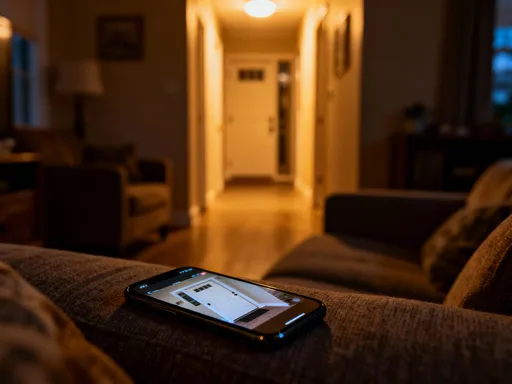
And sometimes, I just watch. On a hard day, I’ll open the app and look at the living room. The dog’s asleep on the couch. The kids’ shoes are by the door. The lamp is on. It’s not security footage. It’s a snapshot of my life. And in those moments, I don’t feel watched. I feel connected. I feel home.
The real victory isn’t in catching danger. It’s in living without fear. It’s in knowing that even when you’re not there, your home is still *yours*. And that quiet reassurance—more than any alarm—has changed everything.
Building a Home That Cares Back
When I think about what makes a home, it’s not the walls or the furniture. It’s the feeling you get when you walk in—the sense of safety, love, and belonging. And I’ve realized that technology, when used with heart, can actually deepen that feeling. Our home monitoring system isn’t just a tool. It’s a quiet guardian. A helper. A way of saying, “You’re not alone.”
It hasn’t made our home colder or more clinical. If anything, it’s made it warmer. Because now, I’m less anxious. I’m more present. I’m not lost in worry. I can laugh louder, hug longer, rest deeper. That’s the real magic—not in the cameras or sensors, but in the space they create for living.
And it’s not just about me. My kids feel safer knowing someone’s checking in. My husband appreciates the shared peace. Even the dog seems calmer. The house feels more intentional, more cared for. It’s like we’ve built a gentle net of awareness around our lives—one that catches the small things before they become big ones.
So if you’re on the fence about home monitoring, I get it. It’s a big step. But don’t think of it as surveillance. Think of it as support. As a way to care for your home, your family, and yourself. Because the best technology doesn’t shout. It whispers. It doesn’t impress. It reassures. It doesn’t complicate. It simplifies.
And in the end, it lets you do what matters most—live fully, love deeply, and rest easy. Because you know, deep in your bones, that home is okay. And when home is okay, everything else has a chance to be okay too.