What If Your Video Messages Could Keep Friendships Alive—Without the Pressure?
We’ve all been there: wanting to stay close to dear friends but too busy to call, too drained to text back. Life pulls us in different directions, and friendships fade—not from lack of care, but from lack of meaningful connection. What if sharing life didn’t have to feel like a chore? Family video diaries aren’t just for relatives. They can be a gentle, joyful way to nurture friendships, letting us show up authentically, without performance or pressure. It’s not about creating content. It’s about sharing presence—your real, unfiltered self, in moments that matter.
The Hidden Strain of Staying “Connected”
Let’s be honest—staying in touch these days doesn’t always feel good. We’re flooded with messages, notifications, and endless scrolls through perfectly curated photos. It’s exhausting. You see a friend’s beach vacation, another’s flawless brunch, and suddenly, your quiet evening at home feels… less than. But here’s the truth: those highlights don’t tell the whole story. And more importantly, they don’t build real connection.
I remember a time when I’d get a text from an old friend—“Hey, how are you?”—and I’d freeze. How do I answer that in three sentences? Do I mention the chaos of school drop-offs, the burnt toast, the fact that I forgot to shower? Or do I say “Great! Busy!” and leave it at that? We’ve turned “checking in” into a performance. And over time, those little exchanges start to feel like obligations, not joys.
That’s the irony of modern connection: we’re more “connected” than ever, yet so many of us feel lonely. Texts get lost in the shuffle. Emojis can’t capture tone. And social media often leaves us comparing, not connecting. We end up feeling like we’re shouting into the void—or worse, like we’re not even trying hard enough. But what if we stopped trying so hard? What if, instead of chasing constant contact, we focused on moments that actually mean something? What if we could say, “I’m here,” without saying much at all?
The shift starts when we let go of perfection. When we stop thinking about how something looks and start thinking about how it feels. That’s where video comes in—not as a polished production, but as a quiet gesture of care.
Family Video Diaries: A Simple Tool with Unexpected Power
You’ve probably heard of family video diaries—those little clips parents take of their kids blowing out birthday candles, babbling their first words, or dancing in the kitchen. They’re sweet, yes, but they’re also powerful. And here’s the thing: that same magic doesn’t have to stay within the family. It can extend to friends, too.
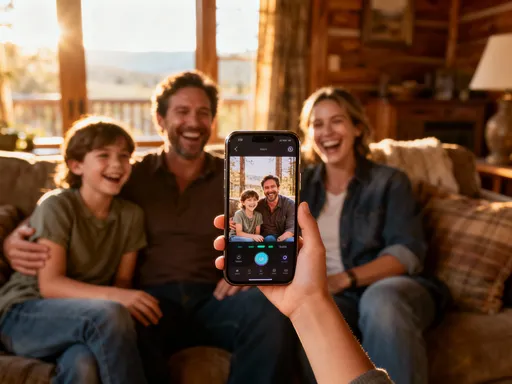
Imagine this: you’re making your morning coffee. The sun’s streaming through the window. Your dog is nudging your leg for treats. Instead of snapping a photo, you press record on your phone for 30 seconds. You say, “Morning! Just starting the day. Luna’s already demanding breakfast. Hope you’re doing okay.” You send it to a friend. No filter. No caption. Just real life.
That clip isn’t about what’s happening—it’s about how it feels to be you in that moment. And when your friend watches it, they don’t just see your face. They hear your voice. They notice your laugh. They feel the warmth of your kitchen. It’s not a post. It’s a presence. And that changes everything.
Unlike social media, where we’re trained to show our best selves, video diaries invite us to show our real ones. There’s no pressure to look good, sound smart, or have something profound to say. You can be tired. You can be messy. You can be in your pajamas. And that’s exactly why it works. Because real friendship isn’t about perfection—it’s about showing up as you are.
And the beauty is, you don’t need any special tools. Your phone is already in your hand. The camera is already there. You don’t need editing skills, fancy lighting, or a script. You just need a moment. A breath. A thought: “I’m thinking of you.”
Why Friendships Benefit from “Behind-the-Scenes” Moments
Think about the friends you feel closest to. Chances are, it’s not because they posted the most photos. It’s because you’ve shared real moments—laughing until you cried, venting after a hard day, sitting in comfortable silence. Those are the threads that weave strong friendships. And video messages can recreate that intimacy, even when you’re miles apart.
When you send a quick video of yourself chopping vegetables and complaining about how onions make you cry, you’re not just sharing an activity. You’re inviting your friend into your world. They hear the sizzle of the pan, the background noise of the radio, the way your voice softens when you’re tired. These tiny sensory details build familiarity. They make your friend feel like they’re right there with you.
And when they watch it, something shifts. They don’t feel like they’re catching up. They feel like they never left. That’s the power of voice and tone. A text can say “I had a rough day,” but a video shows it—the sigh, the slump of your shoulders, the way you pause before speaking. And that’s what builds empathy. That’s what makes someone say, “I’m so glad you told me,” instead of just “Sorry to hear that.”
I sent a video to my college friend once after a long week. I was sitting on the couch, hair in a messy bun, holding a mug of tea. I said, “I don’t even know what day it is. But I thought of you today when I saw that old coffee shop we loved.” I didn’t expect much. But she called me the next day, crying. “Hearing your voice,” she said, “felt like you were right here.” We hadn’t seen each other in years. But in that moment, we were close again.
That’s what “behind-the-scenes” moments do. They don’t need to be big. They just need to be real. And over time, they create a rhythm of connection that feels natural, not forced.
Breaking the Myth: You Don’t Need Time or Talent
Here’s what I hear most: “I’d love to do that, but I don’t have time,” or “I’m not good on camera.” Let me tell you something—I used to say the exact same thing. I thought I needed to look put together, speak clearly, and have something important to say. But then I realized: no one expects that. Your friend isn’t waiting for a TED Talk. They just want to see you.
You don’t need talent. You don’t need a tripod. You don’t need to edit anything. All you need is your phone and a quiet corner for 30 seconds. That’s it. Think of it like leaving a voicemail—but with your face. You don’t rehearse a voicemail. You just speak from the heart. Why should video be any different?
And about time—here’s the secret: you don’t need to set aside time. You just need to notice moments. The moment you’re waiting for the kettle to boil. The moment you’re walking through the park. The moment your plant finally blooms. Those are the golden seconds. You don’t have to stop your day. You just have to pause for a breath and say, “This is my life right now.”
And if you’re nervous? That’s okay. Say it anyway. “I feel a little silly doing this, but I wanted you to know I was thinking of you.” That’s not awkward—that’s human. And that’s what makes it beautiful.
You can send it through any app you already use—iMessage, WhatsApp, email. No new platforms. No learning curves. Just you, your phone, and a message that says, “You matter to me.”
How to Start Without Overthinking
The hardest part is the first click of the record button. So let’s make it easy. Start small. Pick one friend—the one you’ve been meaning to call, the one who always makes you laugh, the one who just gets you. Then, choose a moment that feels low-pressure. Not a big event. Just an ordinary one.
Maybe it’s your morning routine. “This is what my Tuesday looks like. Coffee first, always.” Or maybe it’s something small that made you smile. “Look—my cat just knocked over a plant. Again. But I laughed instead of yelling. Progress?” Keep it simple. Keep it real.
When you send it, add a short note: “No need to reply. Just wanted to share this with you.” That takes the pressure off both of you. This isn’t about starting a conversation. It’s about sharing a moment. And that’s enough.
Don’t worry about frequency. You don’t need to do it every week. Or even every month. Do it when you think of them. When a song plays that you used to love together. When you see something that reminds you of an inside joke. Let it be spontaneous, not scheduled.
Over time, something beautiful happens. You start to notice moments differently. You start to think, “Oh, my friend would love this.” And that shift—from obligation to intention—is where the magic lives. It’s not about keeping up. It’s about staying close.
Real Stories: Friendships Rekindled Through Video
I’ve heard so many stories from women who’ve tried this—and been surprised by how much it meant. One woman, Sarah, hadn’t spoken to her best friend from college in over five years. Life had taken them in different directions. One day, she recorded a short clip while baking cookies with her daughter. “Remember how we used to burn everything?” she said, laughing. She sent it with no expectations.
Her friend responded within minutes. “I haven’t seen your laugh in years,” she wrote. “Thank you for sending that.” They started exchanging videos—little updates, silly moments, quiet thoughts. A year later, they planned a trip together. “It felt like no time had passed,” Sarah said. “Because we hadn’t just caught up—we’d been there, in each other’s lives, all along.”
Another woman, Maria, used video messages to stay close with her work bestie after she moved cities. “Texts felt flat,” she said. “But when I’d send a clip of my commute, or my new favorite café, she’d say, ‘I can almost smell the coffee.’ It kept us from feeling like strangers.”
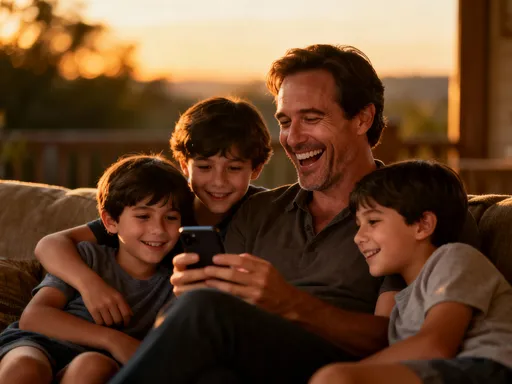
And then there’s Linda, who lives across the country from her sister. They used to argue about not talking enough. Now, they send each other short videos every few weeks—Linda filming her garden, her sister showing her new apartment. “We don’t always reply,” Linda said. “But we always watch. It’s like we’re still living next door.”
The common thread in all these stories? It wasn’t the content that mattered. It was the feeling. The unspoken message: “I saw this, and I thought of you.” That’s the heart of friendship. And video makes it possible, even when life keeps us apart.
A New Kind of Keepsake: Building a Shared Emotional Archive
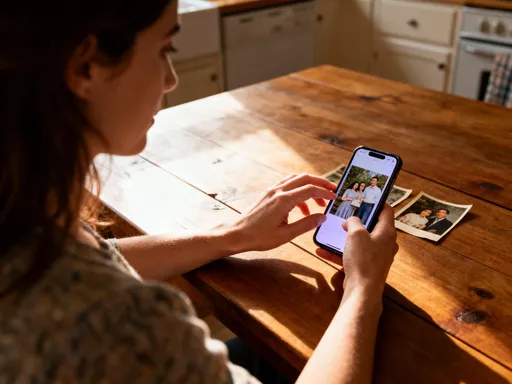
Here’s something I didn’t expect: these little videos become treasures. Not because they’re perfect, but because they’re real. A year from now, you’ll be able to watch a clip of yourself in your kitchen, talking about nothing much, and feel a wave of warmth. You’ll hear your voice. You’ll see your face. You’ll remember how life felt in that moment.
And if you and a friend have been exchanging videos for a while, you’ll have something even more special: a shared timeline. A collection of moments that tell the story of your friendship—not the highlights, but the in-between. The laughter. The sighs. The quiet “I’m here” moments.
Imagine going through those clips during a hard time. Or on a birthday. Or just because. You’ll see how you’ve grown. How your lives have changed. How your friendship has stayed, steady and strong. Unlike social media, which disappears into algorithms, these videos are yours. Private. Intentional. Yours to keep.
And one day, you might share them with your children. “This was my friend,” you’ll say. “This is how we stayed close.” It becomes a legacy—not of grand gestures, but of small, consistent acts of care.
Technology often gets blamed for pulling us apart. But it can also bring us together—in deeper, more meaningful ways. When we use it not to perform, but to share, we reclaim its power. We turn it into a tool for love, not noise.
So go ahead. Pick up your phone. Press record. Say something small. Send it to someone who matters. You don’t need to be perfect. You just need to be you. Because that’s enough. That’s more than enough. That’s how friendships stay alive—one real moment at a time.